

- Arrive Delhi.
- Upon arrival, Welcome by Mr. Deepak Gupta and transfer to your hotel.
- Welcome Non-alcoholic welcome drink at hotel.
- In its 3000 years of existence; seven cities have risen where the present capital of India stands. Here you’ll encounter a fascinating blend of the ancient and the contemporary. Where government buildings, medieval palaces and bazaars exist beside a modern metropolis. Delhi is a city waiting to be explored.
- Overnight at Hotel. (Meals not Included)


• After breakfast, enjoy the sightseeing of Delhi.
• Drive past Red Fort (Closed on Mondays) the 17th century imposing fortress built in red sandstone is surrounded by a huge 33m high boundary wall. Inside are exquisite palaces and beautiful gardens.
• Near the Red Fort is Jama Masjid (Friday Mosque) made of red sandstone and white marble, completed in 1656 at a cost of one million Rupees has perfect proportions. Jama Masjid is India’s largest mosque where more than 20.000 people can kneel in prayer. The interior of the prayer hall is divided into aisles by arches. The walls and floors are of marble inlay panels.
• Also, enjoy the Rickshaw Ride in the bazaars of Old Delhi.
• Also visit the Raj Ghat on the banks of the river Yamuna, Mahatma Gandhi’s Memorial, where he was cremated following his assassination in January 1948. The memorial lies in the midst of landscaped gardens and made of a simple square platform of black marble inscribed with his last words “Hey Ram”. In eternal flame burns 24 hours.
• You will drive Past Rashtrapati Bhawan once the Viceroy’s residence is now the official residence of the President of India.
• Photo stop at India Gate Built of Bharatpur stone, commemorates the 70,000 Indian soldiers who died in the 1st world war. 13516 names of British and Indian soldiers killed in the Afghan War of 1919 are engraved on the arch and foundations.
• Visit the Humayun’s Tomb, built by his wife Haji Begum in the 16th. Century. An early example of Mughal architecture considered the predecessor of the Taj Mahal.
• Visit the Qutub Minar, built by Qutub-ud-din Aibek in 1199 and it is one of the tallest minaret in India (73 meters height). It is made from red sandstone & marbles.
• Dinner & Overnight at the hotel.

• Post breakfast, drive towards Jaipur – Rajasthan is a unique region in the world. Nowhere else will you find such a concentration of palaces, forts, temples and national parks. But what makes today its originality, is, undoubtedly, its hotel infrastructure. There we find some of the finest hotels in the world, in enchanting settings. This fabulous trip invites you to discover the high places of Rajasthan while staying in such hotels of dreams leave you, a lasting memory. Eight unforgettable days, in search of nirvana, in those places out of time! A wind of madness blows undoubtedly desert of Rajasthan to you to enjoy!
• Arrival Jaipur and check in at the hotel.
• Then free time to relax and for independent activities.
• Dinner at Hotel Narain Niwas Palace with a traditional dance show.
• Return and Overnight at the hotel.


• Post breakfast, Visit Amber Fort with Elephant or Jeep ride. The Amber Fort was built in 1592 by Raja
Man Singh, is one of the finest examples of Rajput architecture. It gives extensive views over a deep narrow valley and the wider plains beyond.
• Afternoon, visit City Palace. The beautiful palace was built by Maharaja Sawai Jai Singh during his reign. Among the various forts and palaces of Jaipur, City Palace stands apart, with its outstanding art and architecture. City Palace complex covers a huge area, which is divided into a series of gardens, courtyards
and buildings. The premises consists several buildings like Chandra Mahal, Mubarak Mahal, Mukut Mahal, Maharani’s Palace, Shri Govind Dev Temple and the City Palace Museum.
• Also visit Jantar Mantar (1728-34) by king astrologer Jai Singh II. The instruments are built of stone with marble facing on the important plains for measuring the harmony of the heavens. Each instrument serves a particular function and each gives an accurate reading.
• Also, enjoy the Rickshaw Ride in the bazaars of Jaipur.
•Make a photo stop at the palace of winds the Hawa Mahal. A 5 storied building with 25cm thick facade from the 18 century having 953 windows and niches so that ladies of royal family could see the procession
and events in the city without being visible to the people.
• Evening witness the Bollywood movie at famous cinema hall « Raj Mandir ». One of the most beautiful cinema hall in the world and the largest in Asia with 1125 seats.
• Dinner & Overnight at hotel.


• Breakfast at hotel and check out from hotel.
• Drive towards Agra.
• Enroute visit Fatehpur Sikri and visit the magnificent fortified ghost town. Capital of the Mughal empire the time of its splendor between 1571 and 1585, the city was quickly abandoned and remained “as is” without being looted or destroyed. It is a very interesting testimony, both historically and architecturally is a brilliant Mughal city. You will admire including the Great Mosque with the tomb of Salim Chishti Skeikhthe magnificent marble lattice, home of Jewels also called Diwan-I-Khas (audience hall) with the pillar. Akbar and the giant chessboard of the court the Pachhis.
• Continue towards Agra.
• Arrive Agra & check-in at hotel.
• Rest of the time free to relax at the hotel or for independent activities.
• Dinner & Overnight at the hotel.
OPTIONAL: Evening you can witness the “Mohabbat-te-taj” Show in Agra (with Supplement of USD 30 PER PERSON). The Sanskritik Natyashala presents ‘Mohabbat-the-Taj’ – a series of play depicting the saga of love. The true and immortal love of Shajahan for Mumtaj Mahal- his beautiful wife; the lavish lifestyle of mughal era; emaculate hardship of the artisans for 22 years that created the most precious specimen of craftsmanship… ‘Mohabbat-the-Taj’ at ‘Kalakriti is exceptionally inviting. The effort to hold up the cultural and historical legacy of India is worth a glance. So, be with us to witness the Indian heritage come alive.
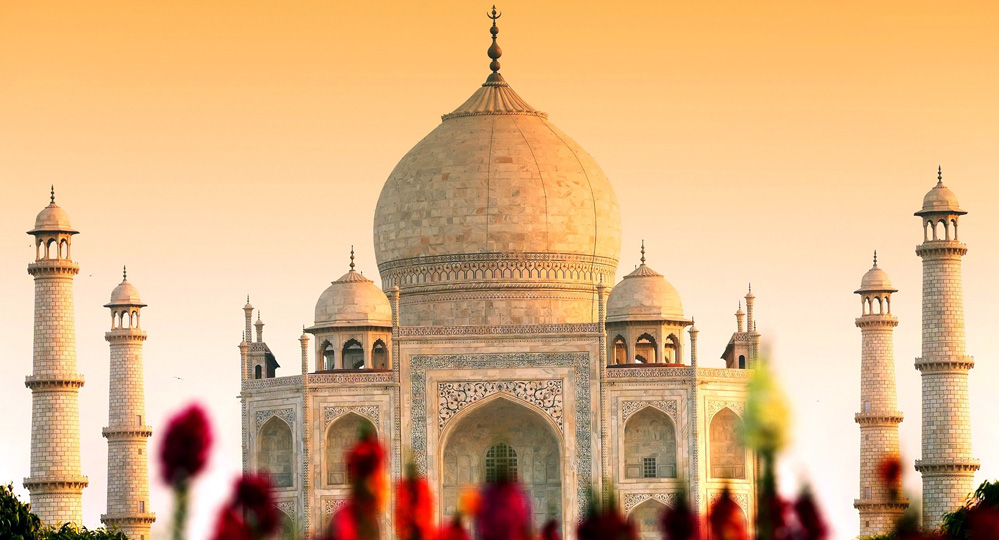
• Early morning(6.00 am) visit Taj Mahal (closed on Friday), the most famous monument of India, classified in 1983. This graceful and moving mausoleum was built by Emperor Shah Jahan, “King of the World” in memory of his beloved wife Mumtaz Mahal, who died in 1631 at the birth of their 14th child.
Begun in 1631, the Taj Mahal was not completed until 1653. The best workers were recruited from all over India and Central Asia, the Bordeaux artist, Venice participated in its decoration.
• Return to the hotel. Breakfast at the hotel.
Check out from the hotel.
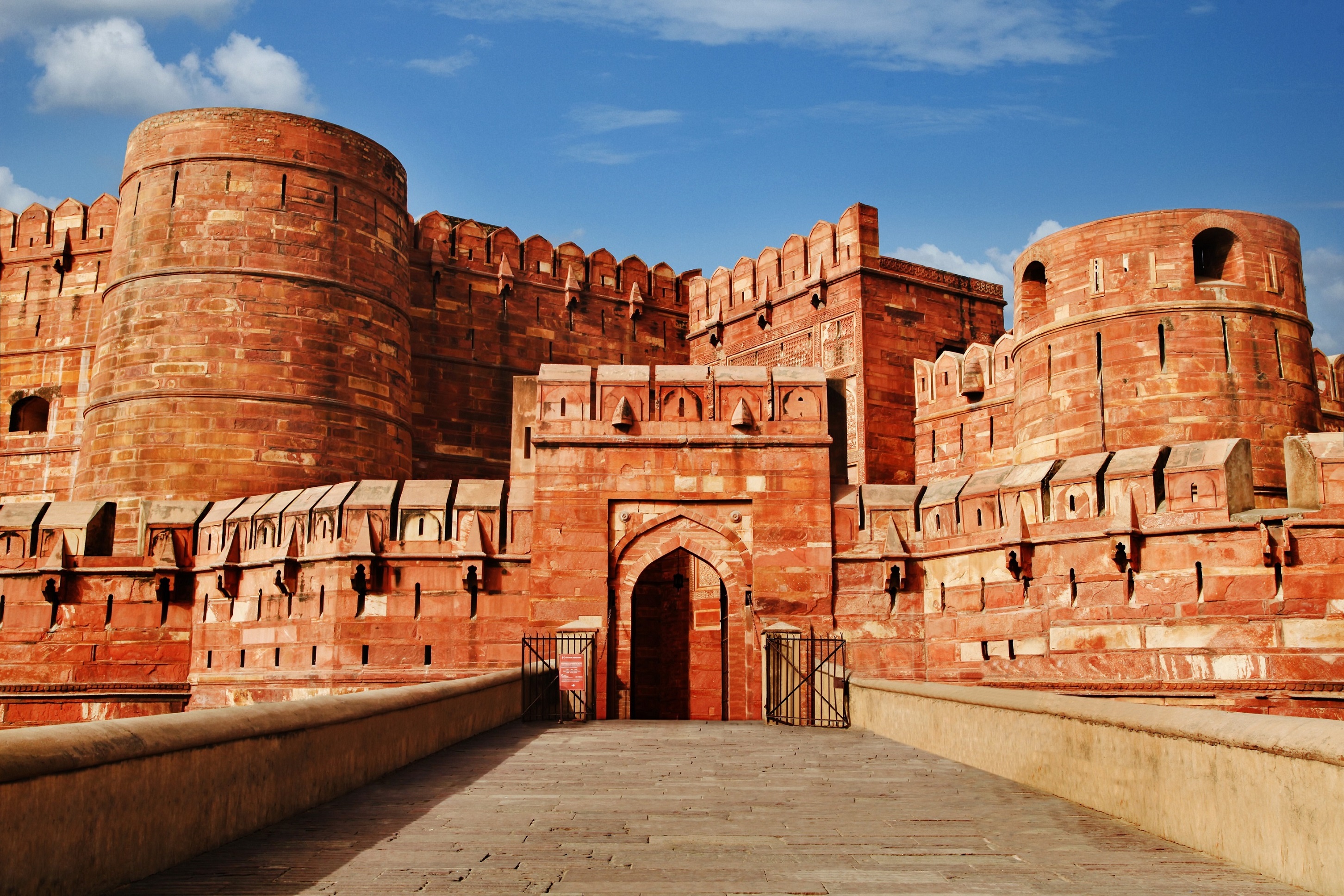
• Then, visit Agra Fort (1565-1573). This huge red sandstone fortress was begun by Emperor Akbar. majestically on the banks of the Yamuna, it presents itself as a scholarly combination of power and elegance. This is where Shah Jahan ended his days, sadly contemplating his marble dream. On the other bank of the river further north stands the delicate mausoleum of Itimad-ud-Daulah, all marble with inlays of semiprecious stones, which prefigures the style of the Taj, begun four years later.
• Continue towards Delhi.
• Arrive Delhi and check in at the hotel, rest of the time free to visit the bazaars Or Local markets.
• Dinner & Overnight at the hotel.


- Breakfast at the hotel.
- Check out from Hotel and drive towards (New Delhi Railway Station).
- Delhi to Kalka by Kalka Shatabdi Train
- Departure : 0740 Hrs Arrive : 1145 Hrs
- Upon arrival meet our representative at Kalka Railway station.
- Change platform to catch Kalka – Shimla Toy Train (96 Kms / 5 Hrs 20 min)
- Departure : 1210 Hrs Arrive : 1730 Hrs.
- Kalka to Shimla through toy train offers a grand view of pine covered hill tops, flora and fauna, and the typical picture which makes the hills, queen of hills. Toy train is the best mode of transport to explore the treasuries of great Himalayas. Toy train has now come under the world heritage list of UNESCO and stands at fourth rank. It fascinates the visitors and there is no going back to their native places. The scenic beauty which starts from Kalka to Shimla is thrilling and wonderful throughout the route. Time taken by tiny toy train to reach Shimla is around 5 hours /20 min. The Kalka Shimla route is 96 km long, including 103 tunnels except for one which no longer exists. The Kalka Shimla train track is a narrow gauge. Every tunnel has its own story. The longest tunnel of Barog will take around 3 minutes to reach the other end. Also come across the artful humped bridges. The toy train ride covers main passenger points such as Dharampur, Solan, Kandaghat, Barog, Taradevi, Summer hill and Shimla.
- Arrive Shimla Railway station.
- Upon arrival, Welcome by our representative and transfer to your hotel.
- Dinner & Overnight at hotel.

- Breakfast at the hotel then departure for the visit of the city:
- Visit Shimla State Museum: This building houses all the historical and cultural relics of Simla. You can admire sculptures, paintings, bronzes, as well as costumes and jewels from the traditional art of the city and even the whole region.
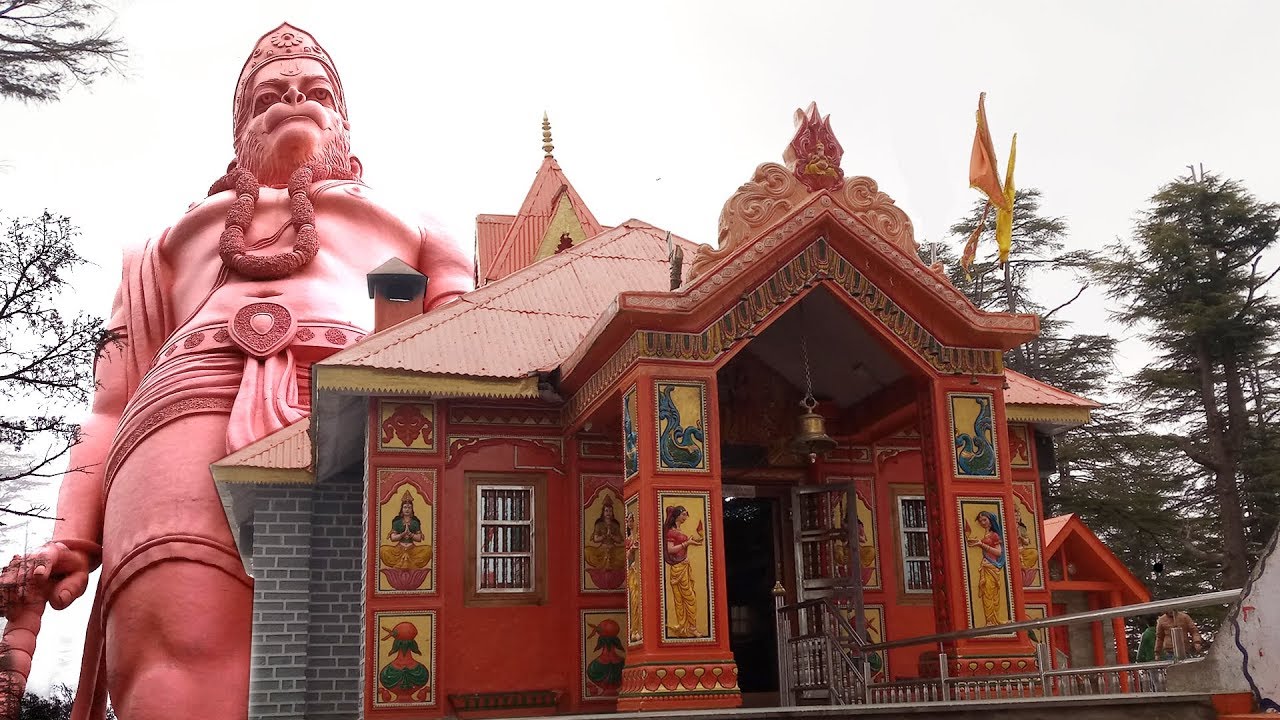
- Visit Jakhu Temple is located on the top of Jakhu Hill, dedicated to Hanuman. Located in the heart of the Jakhu Forest, the temple takes its name from the Hindi word Yakhsa. The Yakshas are characters from Hindu mythology, a link between humans and gods. According to legend, the temple came into being when Lord Hanuman visited Jakhu Hill in the story of Ramayana.
- The Indian Institute of Advanced Studies, a British colonial building in charge of history. It is built at the top of the observatory hill, one of the seven hills that surround the city. Most of the building is located in the basement and contains prisons and torture rooms! Ghandi made a stay, ‘invited’ by the English … It was originally built to accommodate Lord Dufferin, Viceroy of India 1884/1888. Since 1965 he has hosted the prestigious ‘Indian Institute of Advanced Studies‘.
- The Ridge is the hub of all Shimla’s cultural activities. It is located along the Mall Road, the famous shopping center of Shimla.
- Dinner & Overnight at hotel.

- Breakfast at hotel and check out from hotel.
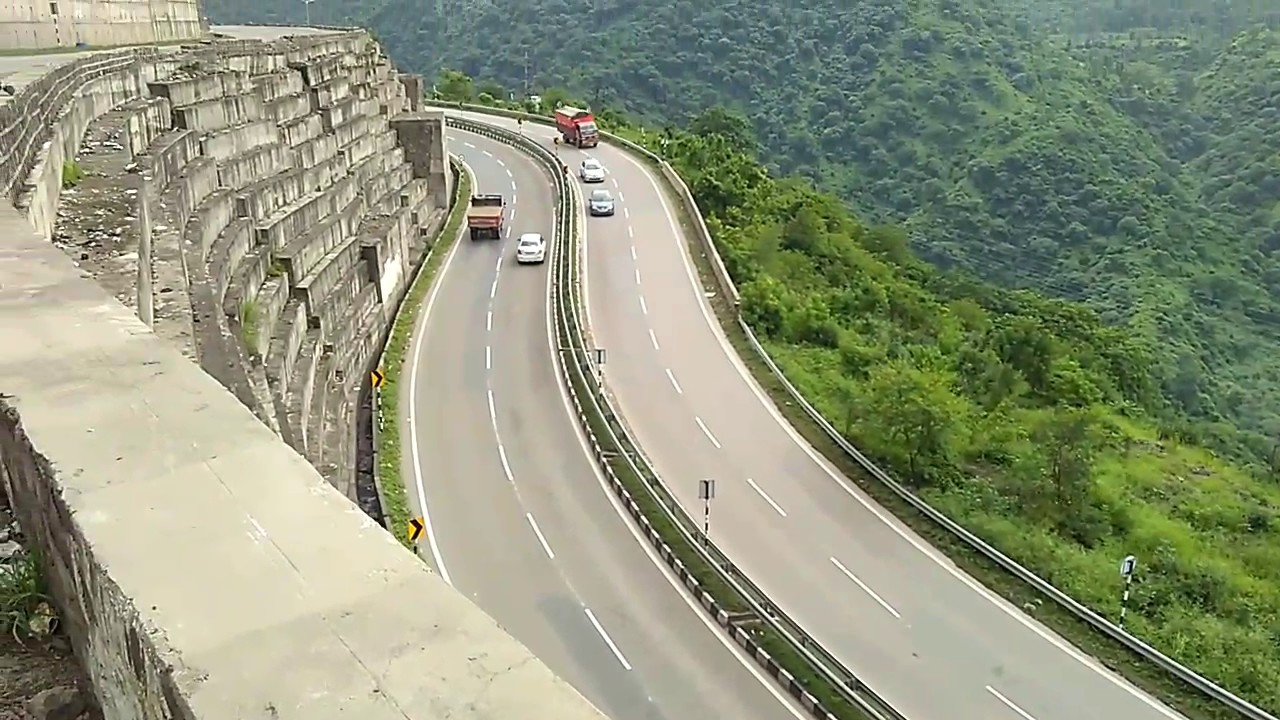
- Drive towards Chandigarh.
- Chandigarh, the dream city of India’s first Prime Minister, Sh. Jawahar Lal Nehru, was planned by the famous French architect Le Corbusier. Picturesquely located at the foothills of Shivaliks, it is known as one of the best experiments in urban planning and modern architecture in the twentieth century in India.Chandigarh derives its name from the temple of “Chandi Mandir” located in the vicinity of the site selected for the city. The deity ‘Chandi’, the goddess of power and a fort of ‘garh’ laying beyond the temple gave the city its name “Chandigarh-The City Beautiful”. The city has a pre-historic past. The gently sloping plains on which modern Chandigarh exists, was in the ancient past, a wide lake ringed by a marsh. The fossil remains found at the site indicate a large variety of aquatic and amphibian life, which was supported by that environment. About 8000 years ago the area was also known to be a home to the Harappans.
- Arrive Chandigarh Check in to Hotel.
- Rest of the time free for Leisure (without Transportation and Guide)
- Dinner & Overnight at hotel.


- Breakfast at hotel and check out from hotel.
- Drive towards Amritsar.
- Amritsar is amongst the most revered sites of the world. It was founded as recently as the 16th century. Its name is a derivative of the Amrit Sarovar (pool of nectar) amidst which stands the Golden Temple, the most sacred of Sikh shrines. Accounts suggest that Guru Amardas purchased the land from Emperor Akbar and decided to build a tank at the site. Following his death, it was completed by Guru Ramdas and also came to be known as Chak Ramdas or Guru ka Chak. Some of the oldest markets in Amritsar, notably Guru ka Bazaar, date back to his time. The construction of the Golden Temple was initiated by Guru Arjan Dev while Guru Hargobind, who accorded the religion a martial temper, built the Akal Takht in 1606. Amritsar has a rich history encompassing various mythical and historical narratives including the epic Ramayana. It is believed that the site called Ram Tirath was Maharish Valmiki’s ashram, where Sita reportedly gave birth to her twin sons, Luv and Kush. The Gobindgarh Fort and Ram Bagh were built by Maharaja Ranjit Singh, the founder of the Sikh Empire. While the Jallianwala Bagh continues to be the most evocative monument to India’s freedom struggle. The Khalsa College, established by visionary leaders at the beginning of the 20th century turned Amritsar into a hub of education. Also a centre of thriving industry since its inception, Amritsar is famed for its textiles, particularly shawls, and for its carpets. Amritsar has gained tremendous popularity for its gourmet traditions; especially the dhabas (roadside eatery) that churn out, amongst an inexhaustible list of delicacies, irresistible kulchas, chola-bhaturas, tandoori chicken and fried fish. Amritsar has all the makings of a well-rounded tourist destination; its ancient legends, historical monuments, places of worship, old bazaars, theatre traditions and colourful festivals all serve as a window to its robust past. Excursions to the Harike Bird Sanctuary and visits to the India-Pakistan border at Wagah are an absolute delight, while breaking bread or celebrating Diwali with the denizens of this hospitable city is without parallel.
- Arrival Amritsar and check in at the hotel.
- Rest of the time free for Leisure.
- There is a ceremony at the Golden Temple everyday, infact twice everyday in which the Guru Granth Sahib, which is kept in the main gurudwara is carried to its night abode, the Akal Takth. This is called the Palki Sahab & it is a highly charged ambience in which this happens, the hymns which go on the entire day completely stop, there is a pin drop silence and an ocassional blowing of trumpet kind of instrument.
- Evening witness Palki ceremony at Golden Temple (Also knows Harmandir Sahib).
- Return to Hotel.
- Dinner & Overnight at hotel.


- Breakfast at hotel.
- Start your city tour with the blessings of Sri Harmandir Sahib, is named after Hari (God) the temple of God, also known as the Golden Temple in Amritsar is the holiest shrine of the Sikh religion. It was built by the fifth Sikh guru, Guru Arjan, in the 16th Century. In 1604, Guru Arjan completed the Adi Granth, the holy scripture of Sikhism. There are four doors to get into the Harmandir Sahib, which symbolize the openness of the Sikhs towards all people and religions. The Gurdwara is surrounded by a large lake or holy tank, known as the Sarovar, which consists of Amrit (holy water). Sri Harmandir Sahib is the heritage of the Sikh people gathered in their five hundred years old history.
- Visit Jallianwala Bagh which is a memorial to the countless numbers of innocent Indians which were massacred by General Dyer in 13 April 1919 which happened to be ‘Baisakhi’, one of Punjab’s largest religious festivals. British General, Edward Dyer, ordered his soldiers to opened fire on an unarmed gathering of Hundreds men, women and children in this place.
- Visit Maharaja Ranjit Singh Museum– The summer place of Maharaja Ranjit Singh. It is surrounded by the lovely garden Ram Bagh. Maharaja Ranjit Singh is a prominent figure, who had carved a niche for himself in the history of India. The Museum displays objects connecting to Maharaja Ranjit Singh such as arms and armour, outstanding paintings and century’s old coins and manuscripts.
- Visit Durgiana Temple, Durgiana Temple is a premier Hindu temple of Punjab situated in the city of Amritsar. This temple derives its name from the Goddess Durga and it is also called by the name of Lakshmi Narayan Temple.
- Return to Hotel.
- Dinner & Overnight at hotel.
- Breakfast at hotel.
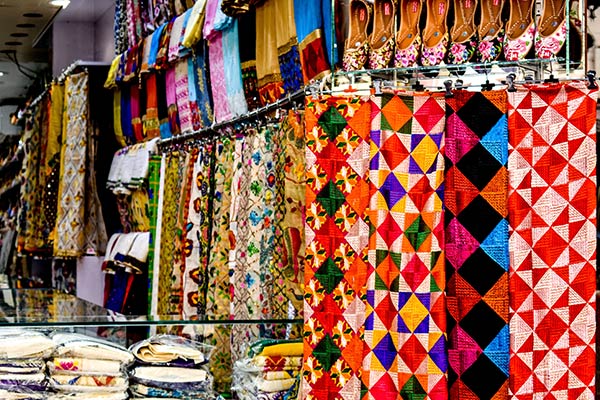
- Visit Local Market.
- Than drive towards Airport to catch the flight for Delhi. Departure: 1520 Hrs Arrival: 1635 Hrs
- Arrive Delhi and transfer to your hotel.
- Upon arrival, Welcome by Our Representative and transfer to your hotel.
- Rest of Day free for leisure. (Without Transportation and Guide)
- Dinner & Overnight at hotel.

• Breakfast at hotel.
• After that its a time to say « Good Bye » and transfer to international airport.
END OF OUR SERVICES